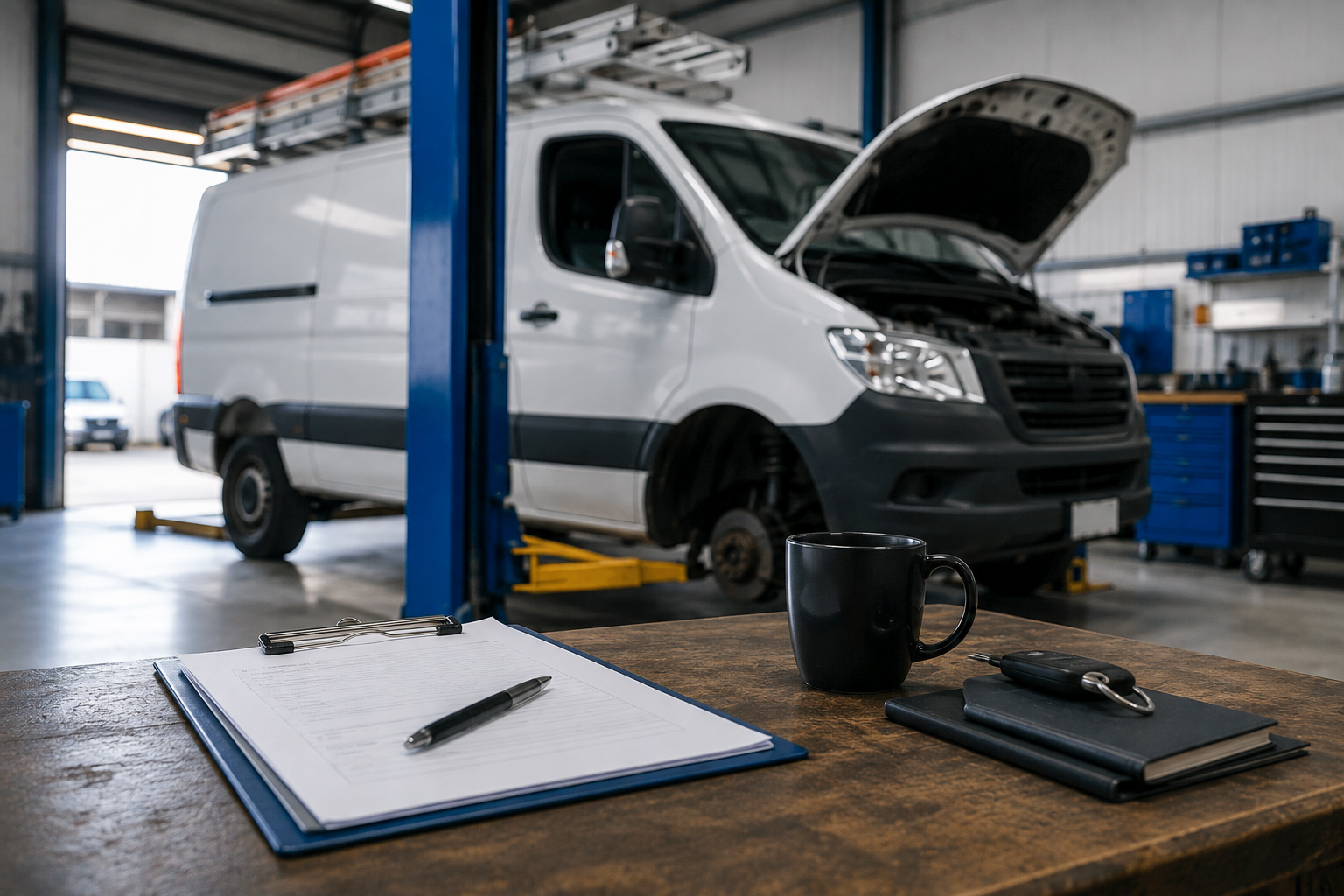
Vehicle Downtime Costs: The Hidden Cost of an Off-Road Work Vehicle
For many businesses, a work vehicle is essential to getting the job done.
When that vehicle is off the road, the cost isn’t limited to the repair bill. Jobs can be delayed, employees can lose productive time and customers may need to be rescheduled.
For a business that relies on its vehicles every day, vehicle downtime can quickly become a business cost.
What does vehicle downtime really cost?
Consider what happens when a work van or ute is unavailable for a day or two:
- Lost revenue – jobs may need to be postponed or cancelled.
- Employee downtime – staff may be unable to work as planned.
- Replacement vehicle costs – hiring another vehicle can add an unexpected expense.
- Overtime – delayed work may need to be completed later.
- Customer disruption – rescheduling jobs can affect customer relationships.
- Management time – someone needs to organise repairs, transport and revised schedules.
The repair itself may be straightforward. The disruption around it can be harder to manage.
The businesses most affected
Vehicle downtime can be particularly disruptive for businesses where vehicles are part of the service being delivered.
Trades: Plumbers, electricians and other tradespeople often need their vehicle for tools, equipment and materials.
Field services: Technicians and service teams may have several customer appointments scheduled each day.
Construction: Vehicles can be essential for transporting people, equipment and materials between sites.
Delivery and logistics: An unavailable vehicle can affect delivery schedules and create delays elsewhere in the operation.
How can businesses reduce downtime?
Regular servicing and preventative maintenance can help identify issues before they become major problems.
It is also worth keeping an eye on vehicle age, kilometres and repair history. If a vehicle is becoming increasingly expensive or unreliable, planning its replacement may make more sense than waiting for a major breakdown.
But maintenance is only part of the picture.
Businesses should also consider how their vehicles are acquired and managed.
Buying vs a fully maintained operating lease
Buying a vehicle gives the business ownership, but it also means managing its ongoing servicing, maintenance and eventual replacement.
A fully maintained operating lease can provide a different approach, with servicing and maintenance incorporated into the arrangement. Depending on the agreement, other vehicle costs such as registration and tyres may also be included.
| Buying a vehicle | Fully maintained operating lease |
|---|---|
| Business owns the vehicle | Business leases the vehicle |
| Business manages servicing and maintenance | Maintenance can be included |
| Business manages vehicle replacement | Replacement can be planned around the lease |
| Business takes responsibility for resale | Residual value is managed within the lease structure |
| Upfront capital may be required | Regular payments can make budgeting more predictable |
Neither option is right for every business. The important thing is to consider the total cost and administration of keeping the vehicle available, not just the purchase price or monthly payment.
Keep downtime in the equation
When reviewing your business vehicles, don’t just ask:
“How much does this vehicle cost to run?”
Also ask:
“What does it cost us when this vehicle isn’t available?”
For some businesses, that second question can have a significant impact on the decision about how vehicles are managed.
AUS Vehicle Leasing provides commercial vehicle leasing solutions for businesses in Perth and across Western Australia, including fully maintained operating lease options.
If you’re reviewing your business vehicles or replacing an existing work vehicle, contact AUS Vehicle Leasing to discuss your requirements and leasing options.